
UI UX Design Agency in India: Create Products People Enjoy
Last month, a SaaS founder in Pune showed me his product analytics. Users were signing up, poking around for about three minutes, then vanishing forever. His development team had spent fourteen months building features nobody could find. The fix wasn’t more features. It was hiring a UI UX design agency in India that actually understood how B2B buyers think.
This scenario plays out constantly across Indian tech companies. You’ve built something genuinely useful, but the interface fights against adoption. Your sales team spends calls explaining navigation instead of demonstrating value. Support tickets pile up with questions that good design would eliminate entirely.
Finding the right design partner changes everything. But the Indian market now has hundreds of agencies claiming expertise in user experience. Some deliver exceptional work. Others produce pretty mockups that fall apart in development. Here’s how to tell the difference.
Why Indian B2B Companies Are Investing Heavily in UX
The math has become impossible to ignore. Forrester Research data shows that every dollar invested in UX returns between $2 and $100, depending on the product category. For B2B software, where customer acquisition costs frequently exceed $500 per account, reducing churn through better usability directly impacts profitability.
Indian enterprises particularly feel this pressure. Companies like Zoho and Freshworks have raised expectations for what business software should feel like. Your prospects now compare your dashboard to tools designed by teams with dedicated UX researchers. They’ve experienced smooth onboarding flows and intuitive navigation. They won’t tolerate clunky alternatives just because you’re offering competitive pricing.
The competitive landscape has shifted. Five years ago, functionality won deals. Today, functionality is baseline. User experience determines whether prospects choose you or the competitor whose product feels effortless to adopt.
What Does a UI UX Design Agency Actually Do?
The terminology confuses plenty of founders. UI refers to the visual layer: colors, typography, button styles, layout grids. UX encompasses the entire experience: how users discover features, complete tasks, recover from errors, and feel while using your product.
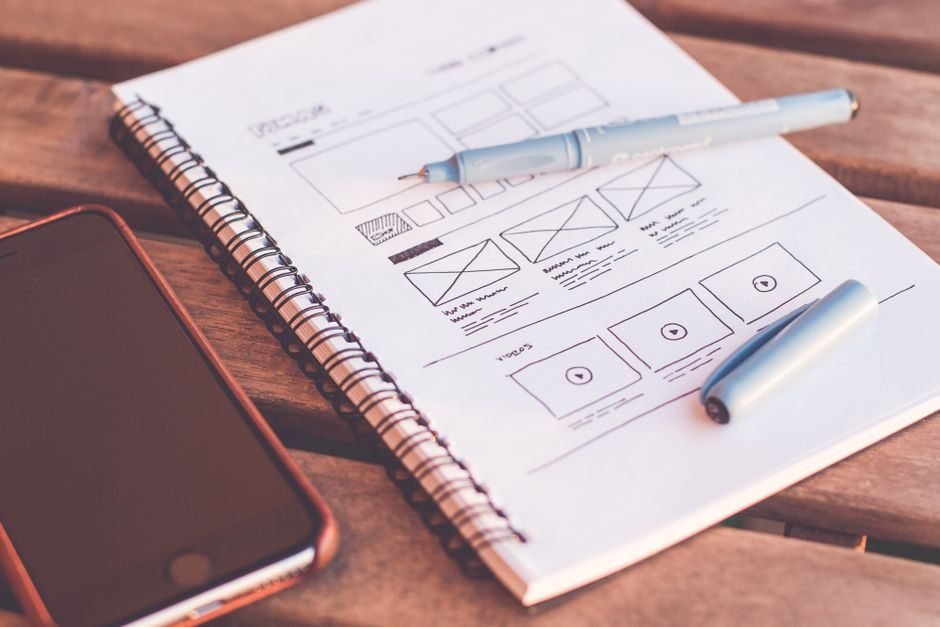
A competent agency handles both, but the real work happens before anyone opens Figma. Discovery workshops uncover how your actual users behave, not how you assume they behave. User research identifies friction points and unmet needs. Information architecture organizes your product’s structure logically. Only then do wireframes and visual design enter the picture.
Agencies worth hiring also bridge the gap to development. They deliver design systems, component libraries, and documentation that engineers can actually implement. Pretty concepts that require six months of custom coding aren’t designs. They’re expensive art projects.
Signs You Need Professional Design Help
Not every product requires agency involvement. If you’re validating an early concept with a small user group, templates and basic design skills might suffice. But certain signals indicate you’ve outgrown DIY approaches.
Your support team keeps answering the same navigation questions. Users abandon complex workflows midway through completion. Sales cycles drag because prospects struggle during demos. Feature adoption remains flat despite marketing efforts. Churn interviews reveal confusion rather than dissatisfaction with the underlying product.
How much does hiring a UI UX design agency in India typically cost? Rates vary dramatically. Freelancers charge anywhere from ₹15,000 to ₹50,000 monthly. Mid-tier agencies run ₹3-8 lakhs for a complete product redesign. Premium agencies with strong portfolios might quote ₹15-30 lakhs for comprehensive engagements including research, design, and implementation support. The right investment level depends on your product’s complexity and revenue potential.
Evaluating Agency Portfolios Without Getting Fooled
Every agency website showcases impressive visuals. Colorful dashboards, sleek mobile interfaces, modern typography. None of this tells you whether those designs actually improved business outcomes for the client.
Ask different questions when reviewing portfolios. What problem did this redesign solve? How did user behavior change after launch? What constraints did the team navigate? A good agency discusses challenges honestly rather than presenting everything as effortless success. One agency I spoke with openly admitted that their first version of a fintech dashboard tested poorly and required significant iteration. That honesty impressed me more than any polished case study.
Request references from clients in similar industries. B2B enterprise software presents different challenges than consumer apps. An agency with stunning D2C e-commerce work might struggle with complex approval workflows or data-heavy interfaces common in B2B contexts.
The Research Phase Most Agencies Skip
Here’s an uncomfortable truth about the Indian design market: many agencies jump straight to visual design because research feels slow and clients resist paying for it. This approach consistently produces mediocre results.
Proper user research doesn’t require months or massive budgets. Five well-conducted user interviews reveal more actionable insights than assumptions from a hundred internal brainstorms. Watching real users attempt tasks in your current product exposes problems you’ve become blind to. Competitive analysis identifies patterns users already understand and expect.
How long does a typical UI UX project take from start to finish? Research and discovery usually require two to four weeks. Design exploration and iteration add another four to eight weeks. Implementation support varies based on development team needs. Total timeline for a substantial product redesign runs three to six months. Agencies promising dramatic transformations in four weeks are either cutting corners or working with very narrow scopes.
When interviewing agencies, probe their research methodology specifically. If they can’t articulate a clear process for understanding your users before designing, expect problems.
Red Flags That Signal Trouble Ahead
Certain warning signs appear early in agency conversations. Watch for them.
Agencies that present solutions during the first meeting haven’t understood your problem yet. They’re selling, not consulting. Quotes that arrive within 24 hours of initial contact typically indicate template pricing rather than scope analysis. Teams that promise specific outcomes like “40% conversion increase” before seeing your data are making numbers up.
Lack of developer involvement raises concerns too. Design agencies that operate entirely separately from engineering often produce work that looks beautiful in Figma but creates implementation headaches. The best agencies either include development capabilities or have established collaboration models with technical teams.
Can’t a good development team handle UI UX design internally? Sometimes. But developers optimize for technical elegance and implementation efficiency. Users optimize for task completion with minimal cognitive load. These priorities frequently conflict. External design perspective catches friction that internal teams normalize.
Working Effectively With Your Chosen Agency
Client behavior influences project outcomes as much as agency capability. We’ve seen excellent agencies produce weak results because clients withheld information, made decisions by committee, or changed direction repeatedly without adjusting timelines.
Designate a single decision-maker with authority to approve directions. Provide access to actual users, not just internal stakeholders who think they know user needs. Share business context generously, including revenue goals, competitive pressures, and technical constraints. Good agencies use this information to make better design decisions.
Feedback quality matters enormously. Saying “I don’t like this blue” helps nobody. Explaining “our enterprise clients associate this color palette with consumer products rather than professional tools” gives designers actionable direction.
Measuring ROI From Design Investments
Design impact shows up in metrics beyond aesthetics. Track task completion rates for critical workflows. Monitor time-to-value for new users. Measure support ticket volume related to navigation and usability. Compare trial-to-paid conversion before and after redesign implementation.
Attribution gets complicated since design rarely operates in isolation. Product improvements, marketing changes, and seasonal factors all influence metrics simultaneously. But directional trends reveal whether design investments are paying off. One logistics software company we know reduced average onboarding time from six days to ninety minutes after a focused UX overhaul. That kind of improvement shows up in customer acquisition costs and retention rates.
What makes the best UI UX design agencies in India stand out? Consistently, it’s their willingness to understand business context beyond screens. They ask about revenue models, sales processes, customer success workflows. They treat design as a business function rather than an aesthetic exercise.
Making Your Final Decision
The Indian design market offers genuine expertise at various price points. Agencies like Lollypop Design, Monsoonfish, and Obvious serve different segments with different approaches. Smaller studios and independent consultants often provide personalized attention that larger shops can’t match.
Chemistry matters more than credentials for long engagements. You’ll collaborate closely for months. Choose partners whose communication style and values align with yours. Technical capability without relationship fit produces frustrating projects regardless of portfolio strength.
The right UI UX design agency in India won’t just make your product prettier. They’ll make it more effective as a business tool. That distinction separates worthwhile investments from expensive redecorating.